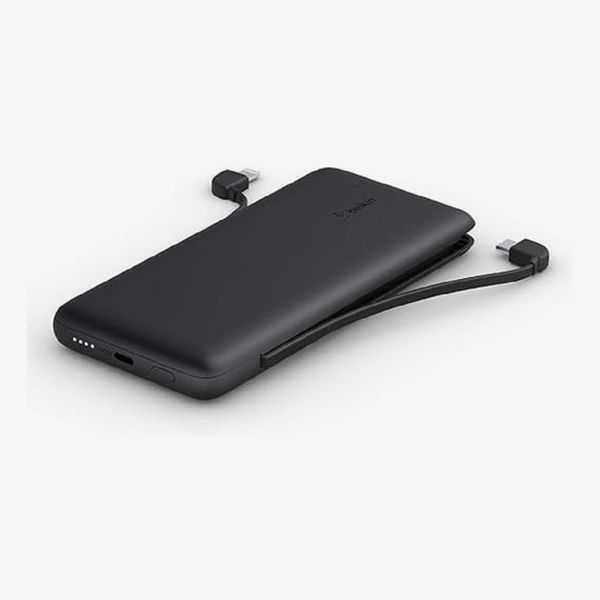
The Ultimate Guide to Choosing the Right Portable Charger
When it comes to choosing the right portable charger, there are several factors to consider to ensure that your devices stay powered when you need them most. First, assess the capacity of the charger, which is measured in milliampere-hours (mAh). A charger with a higher mAh rating can charge your devices multiple times, while a lower rating may only provide a single charge. For example, a portable charger with 10,000 mAh is ideal for smartphones, while those with 20,000 mAh or more are perfect for tablets and larger devices.
Next, consider the output power of the charger. This is usually measured in volts and amps; a higher output enables faster charging. Look for options that have Quick Charge or Power Delivery technology to speed up the charging process. Additionally, pay attention to the number of USB ports available—if you often charge multiple devices simultaneously, a charger with two or more ports will be beneficial. Finally, weigh the size and weight of the charger; a compact, lightweight option may be more convenient for travel, while a larger charger may offer greater capacity and features.
Counter-Strike is a highly popular first-person shooter game that has captivated players since its initial release in 1999. The game features team-based gameplay where players can choose to be part of either the terrorist or counter-terrorist team, with the objective of completing specific missions or eliminating the opposing team. As players engage in tactical combat, they often look for Top 10 Tech Gifts for Students to enhance their gaming experience with more advanced equipment.
5 Myths About Portable Chargers Debunked
Portable chargers are often surrounded by myths that can lead to confusion among consumers. One prevalent myth is that all portable chargers will fully charge your device in a matter of minutes. In reality, the speed of charging depends on several factors including the capacity of the charger and the device's compatibility. For example, a low-capacity charger may take much longer to charge a smartphone compared to a high-capacity one, especially if your device supports fast charging technology.
Another common misconception is that it is safe to leave your device connected to a portable charger indefinitely. While most modern chargers have built-in protection mechanisms, it is still advisable to unplug your device once it reaches full charge. This is because overcharging, even with safety features in place, can lead to reduced battery lifespan over time. Understanding these nuances can help you make the most of your portable charger and keep your devices running smoothly.
How Portable Chargers Work: The Science Behind On-the-Go Charging
Portable chargers, also known as power banks, operate on a fundamental principle of energy storage and transfer. At their core, these devices utilize lithium-ion batteries to store electrical energy, enabling the user to charge their devices without needing a wall outlet. When you connect your smartphone or tablet to a portable charger via a USB cable, the charger releases its stored energy through a process called direct current (DC) transfer. This allows the electrical current to flow from the portable charger into the device, replenishing its battery life and ensuring that you stay powered up while on the move.
Understanding how portable chargers work also involves recognizing the importance of voltage and capacity. Most portable chargers specify their capacity in milliampere-hours (mAh), which indicates how much energy they can store. For instance, a power bank with a capacity of 10,000 mAh can charge a typical smartphone approximately two to three times, depending on the device's battery size. Meanwhile, the voltage output must match the charging requirements of the device being powered; typically, this is around 5 volts. To optimize your charging experience, always choose a portable charger that aligns with your device's specifications for both efficiency and safety.