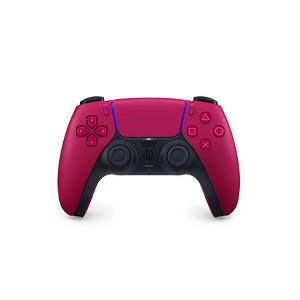
Exploring the Evolution of Game Controllers: How They've Shaped Gameplay
The evolution of game controllers has been nothing short of remarkable, transforming the way we engage with video games. From the simplistic joystick design of the 1970s to today's multifunctional devices, each iteration has shaped gameplay in profound ways. Early controllers often featured minimal buttons and relied heavily on analog sticks. However, as technology advanced, we witnessed the introduction of touchpads, gyroscopic sensors, and customizable button layouts that enhance player interaction and immersion. These innovations have not only improved gameplay mechanics but also catered to a diverse range of gaming styles and preferences.
Furthermore, the introduction of wireless technology has revolutionized how players connect with their consoles. No longer tethered by cords, gamers can now enjoy greater freedom of movement, allowing for more dynamic and immersive gaming experiences. The rise of motion-sensing controllers, such as those used in the Wii and PlayStation Move, brought a new dimension to physical gameplay, making it accessible to audiences beyond traditional gamers. As we explore the evolution of game controllers, it's clear that these devices are more than just tools; they are integral to shaping the future of interactive entertainment.
Counter-Strike is a highly popular tactical first-person shooter game that pits teams of terrorists against counter-terrorists in a variety of game modes. Players can choose to join either side to complete objectives such as bomb planting, hostage rescue, or simply eliminating the opposing team. For an enhanced gaming experience, you might want to check out the Top 10 iPhone gaming accessories that can take your gameplay to the next level.
The Science Behind Game Controllers: Understanding Input Lag and Responsiveness
The world of gaming controllers has evolved significantly, but one critical aspect that often goes unnoticed by casual gamers is the input lag. This delay between a user's command and the game’s response can impact gameplay, especially in fast-paced genres like first-person shooters or fighting games. Understanding the science behind input lag involves examining both the hardware and software components of a controller. Factors such as the type of connection (wired vs. wireless), the processing speed of the controller, and even the game's optimization contribute to this phenomenon. For example, wired controllers typically exhibit lower input lag compared to their wireless counterparts, as they eliminate potential interference and latency introduced by wireless signals.
Another essential element to consider is the responsiveness of game controllers, which refers to how quickly the controller registers inputs and how accurately these inputs translate into in-game actions. Controllers equipped with advanced technology, such as adaptive triggers and enhanced haptic feedback, can provide a more immersive experience by improving the overall responsiveness. This is particularly important in competitive gaming, where fractions of a second can determine the outcome of a match. By understanding the interplay between input lag and responsiveness, gamers can make informed decisions when choosing their gear, ultimately enhancing their overall gaming experience.
Which Controller is Right for You? A Guide to Different Gaming Preferences
Choosing the right controller can significantly enhance your gaming experience, aligning it with your gaming preferences. For casual gamers, a standard controller, like those from Xbox or PlayStation, offers a comfortable grip and intuitive layout. However, if you're more into competitive gaming or fast-paced shooters, you might want to consider specialized options. Pro controllers often come with customizable buttons and quicker response times, allowing you to optimize your performance in tense situations. Additionally, don’t overlook accessibility controllers, which cater to players with different abilities, ensuring that everyone can enjoy their favorite games.
Your choice of controller can also be influenced by the types of games you play. For example, if you are a racing game enthusiast, a driving wheel can provide a more immersive experience. On the other hand, if you prefer platformers or adventure games, a traditional gamepad could suffice. It's important to evaluate how much time you spend playing different genres and select a controller that complements your playstyle. Ergonomics should also be a priority; controllers that fit well in your hands can prevent fatigue during longer gaming sessions. Always read reviews and consider trying out different models to find the perfect fit for your gaming preferences.