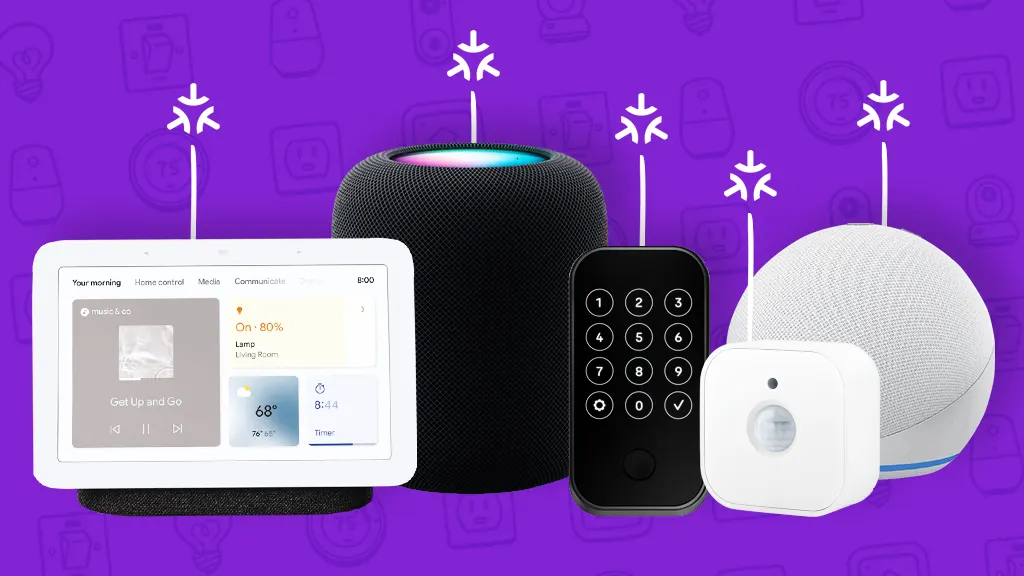
Understanding Device Compatibility: What You Need to Know
Understanding device compatibility is crucial in today's multi-device world, where users access content through a variety of platforms. Whether you're developing a website, an app, or digital marketing content, ensuring that your project works seamlessly across different devices—such as smartphones, tablets, and desktops—is essential for an optimal user experience. Device compatibility impacts not just functionality, but also SEO performance, as search engines like Google prioritize mobile-friendly and responsive designs. This means that if your content does not perform well on certain devices, you could see a drop in organic traffic and user engagement.
To achieve device compatibility, consider the following key factors:
- Responsive Design: Use flexible layouts and media queries to ensure your website adjusts to different screen sizes.
- Browser Compatibility: Test your content across various browsers such as Chrome, Firefox, Safari, and Edge to identify inconsistencies.
- Performance Optimization: Optimize images and scripts to improve loading times on all devices, as speed is a ranking factor for SEO.
Counter-Strike is a multiplayer first-person shooter game that has captivated gamers since its release. Players can choose to play as terrorists or counter-terrorists, engaging in various objective-based modes. For those looking to enhance their gaming experience while charging their devices, check out the Top 10 Wireless Chargers for Pixel Devices.
Are Your Devices Future-Proof? Exploring Compatibility Issues
In an era where technology evolves at breakneck speed, the question of whether your devices are future-proof becomes increasingly relevant. With each new generation of hardware and software, compatibility issues can arise that might render your devices obsolete sooner than expected. For instance, many users are unaware that an operating system update can affect the performance and functionality of older devices. This raises concerns about whether investing in the latest gadget is worth it if the lifespan is limited by compatibility constraints. To ensure you're making savvy tech decisions, consider checking the specifications against current trends and assessing how upgrades will affect your existing setup.
When it comes to being future-proof, several essential aspects must be considered:
- Hardware Compatibility: Ensure that your devices can support the latest technology standards, such as USB-C ports or Wi-Fi 6.
- Software Updates: Regular updates can enhance security and features. Devices that no longer receive updates become vulnerable.
- Interoperability: With the rise of IoT, devices should seamlessly connect and communicate with each other.
Troubleshooting Device Compatibility: Common Problems and Solutions
When it comes to troubleshooting device compatibility, common problems often arise during software installations, hardware connections, and device interoperability. One of the most prevalent issues users face is the incompatibility of operating systems and software versions. For instance, a new application may not support older versions of an operating system, leading to installation failures. To resolve this, ensure that your device's operating system is updated to the latest version. You might also need to check the software's official website for any specific system requirements or patches that may need to be applied.
Another frequent challenge involves hardware components, especially when integrating new peripherals like printers or external drives. Users may encounter problems where their devices aren't recognized by the computer or fail to function as expected. In such cases, it’s advisable to perform the following steps:
- Check that all connections are secure and properly seated.
- Verify that drivers are correctly installed and up to date.
- Consult the device's manual for any compatibility notes.
- Restart the device and computer to ensure changes take effect.
By systematically addressing these areas, many device compatibility issues can be resolved, leading to smoother tech experiences.