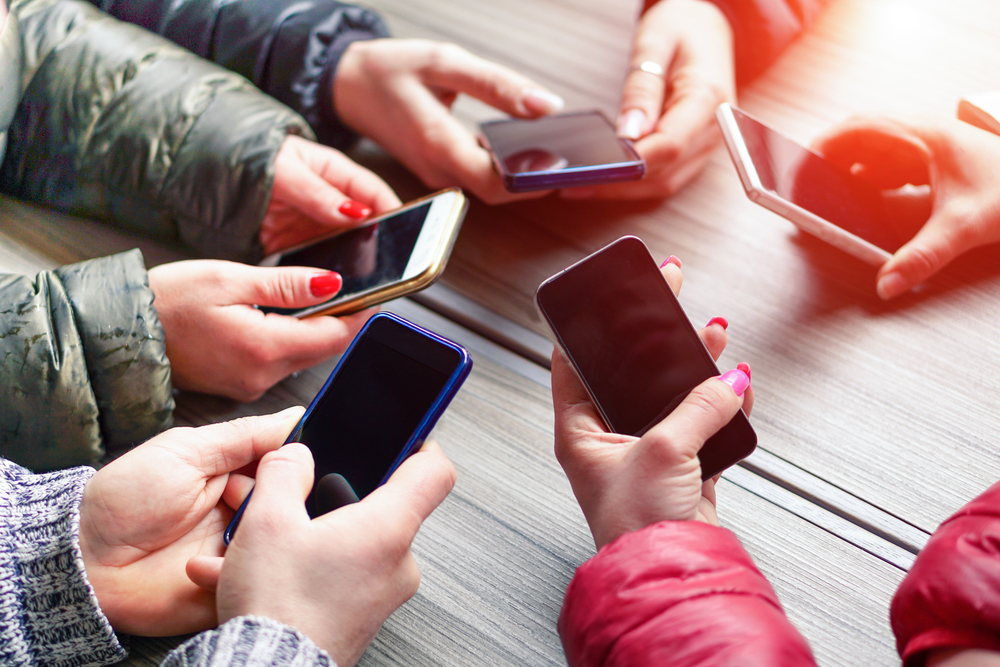
How Smartphones Have Revolutionized Communication and Connectivity
Smartphones have fundamentally transformed the way we communicate by putting a world of connectivity right at our fingertips. With the ability to send instant messages, make video calls, and engage with social media, they have made it easier than ever to stay in touch with friends, family, and colleagues. Whether it's through platforms like WhatsApp, Facebook, or traditional SMS, these devices allow for seamless communication across the globe. The introduction of apps has not only enhanced our personal conversations but has also enabled businesses to reach their customers with unprecedented efficiency.
Furthermore, the integration of high-speed internet and various communication tools has allowed smartphones to become essential in our daily lives, bridging the gap between people no matter the distance. The rise of social media apps, email, and cloud-based collaboration tools means that collaboration and connection are now more achievable than ever. As a result, the modern workforce is increasingly mobile, allowing for a flexible work environment that continues to thrive. In short, smartphones have revolutionized communication and connectivity, making the world feel smaller and more accessible.
Counter-Strike is a popular first-person shooter game that pits teams of terrorists against counter-terrorists in various objective-based game modes. Players must work together to strategize and outmaneuver their opponents to achieve victory. If you're looking to enhance your gaming experience, check out the Top 10 magsafe wallets that can help you keep your essentials organized while you game.
The Impact of Smartphone Technology on Daily Life: A Comprehensive Overview
The advent of smartphone technology has profoundly transformed our daily lives in numerous ways. From communication to entertainment, smartphones serve as multifunctional devices that keep us connected to the digital world. According to recent studies, over 3.8 billion smartphones are in use globally, underlining their significance in modern society. This technology has enabled instant access to information, allowing users to stay updated with news, social media, and educational resources at their fingertips. Moreover, smartphones have facilitated remote work and learning, leading to a shift in traditional working and studying paradigms.
Additionally, smartphone technology has revolutionized how we manage our everyday tasks. With a plethora of applications available, users can streamline activities such as shopping, banking, and even health monitoring. For instance, grocery apps allow for efficient shopping lists and online ordering, while fitness tracking apps help users maintain their health and wellness goals. These advancements not only enhance productivity but also contribute to a more organized and efficient lifestyle. However, it is essential to balance smartphone use to mitigate potential downsides, such as decreased face-to-face interactions and increased screen time.
Are Smartphones Making Us Smarter or Just More Distracted?
The debate surrounding whether smartphones are making us smarter or simply more distracted is a hot topic. On one hand, smartphones equip us with a wealth of information at our fingertips, facilitating access to educational resources, research tools, and instant communication. This accessibility can enhance learning and increase productivity. For example, applications like Duolingo or Khan Academy provide users the opportunity to learn new languages or acquire new skills, thereby contributing positively to our cognitive abilities.
Conversely, the continuous notifications and social media temptations can lead to significant distraction. We find ourselves engrossed in scrolling through feeds or responding to messages instead of focusing on tasks that require our full attention. Studies have shown that the presence of a smartphone can diminish our ability to concentrate and retain information. As we weigh the pros and cons, we must consider if the ability to instantly connect and learn outweighs the constant distractions that accompany our reliance on these devices.