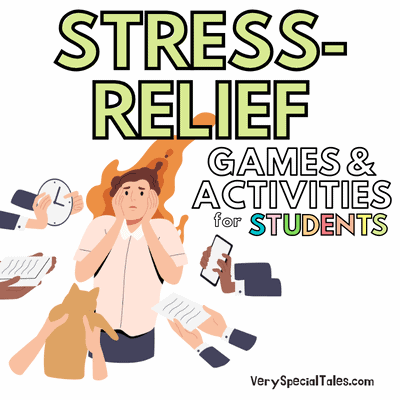
Unconventional Breathing Techniques to Beat Stress: Have You Tried These?
In today's fast-paced world, stress can often feel overwhelming. While traditional breathing techniques like deep belly breathing are effective, have you considered exploring unconventional breathing techniques to beat stress? One such method is the 4-7-8 breathing technique, developed by Dr. Andrew Weil. To practice this, follow these simple steps:
- Inhale quietly through your nose for a count of 4.
- Hold your breath for a count of 7.
- Exhale completely through your mouth, making a whoosh sound for a count of 8.
Another intriguing technique is coherent breathing, which focuses on breathing at a rate of five breaths per minute. This slower pace encourages your body to enter a state of relaxation. To practice coherent breathing, simply breathe in for a count of 6 seconds, then exhale for the same duration, allowing your body to find harmony. You might be surprised at how unconventional breathing techniques can shift your mental state, helping you feel more centered and at peace. Whether you try these methods alone or in combination with other stress-relief practices, integrating them into your daily routine can lead to lasting benefits.
Counter-Strike is a popular first-person shooter game that has been captivating players since its initial release in 1999. Known for its team-based gameplay and tactical elements, it pits terrorists against counter-terrorists in various mission objectives. As players engage in matches, they can also explore the latest in gaming technology, which can be useful for enhancing their performance. For example, check out our Top 10 Tech Gifts for Office Workers to find gadgets that can improve your gaming setup and productivity.
10 Quirky Stress Relief Methods from Around the World
Stress relief can take many forms, and around the world, different cultures have developed unique and sometimes quirky methods to cope with life's pressures. For instance, in Brazil, there's a method called cachaça therapy, where locals gather to enjoy the national spirit in a social setting, believing that laughter and camaraderie help melt away stress. Meanwhile, in Japan, you can find forest bathing, or 'Shinrin-yoku,' which encourages individuals to immerse themselves in nature, promoting mental well-being and rejuvenation through the simple act of being present among the trees.
Moving to Mongolia, the traditional practice of khuushuur making not only satisfies hunger but also brings families together in a joyous and therapeutic cooking session. Similarly, in Norway, there's an unusual custom known as friluftsliv, or 'open-air living,' where Norwegians embrace outdoor activities, regardless of the weather, as a key to their mental resilience. These quirky methods highlight how cultural practices can offer delightful alternatives for managing stress globally.
Is Laughter Really the Best Medicine? Exploring Humor as a Stress Reliever
When it comes to managing stress, many people have heard the saying, 'Laughter is the best medicine'. But is there any truth to this popular adage? Research shows that laughter can significantly improve our mental health by reducing levels of the stress hormone cortisol. According to a study published in the journal Psychosomatic Medicine, individuals who engage in laughter therapy demonstrate lower anxiety levels and enhanced overall mood. This positive impact is primarily because laughter triggers the release of endorphins, our body's natural feel-good chemicals, promoting a sense of well-being and even physical pain relief.
Incorporating humor into your daily routine can serve as an effective stress reliever. Here are a few ways humor can help combat stress:
- Social Connections: Sharing a laugh with friends or family strengthens bonds and fosters a sense of community.
- Perspective Shift: Humor allows individuals to view stressful situations from a different angle, reducing anxiety.
- Physical Benefits: Laughter relaxes muscles and boosts the immune system, further assisting in alleviating stress.
Ultimately, while laughter may not solve all problems, it undoubtedly acts as a powerful tool in managing stress. As we continue to explore the relationship between humor and emotional wellness, it's essential to recognize laughter for its profound ability to heal and uplift.