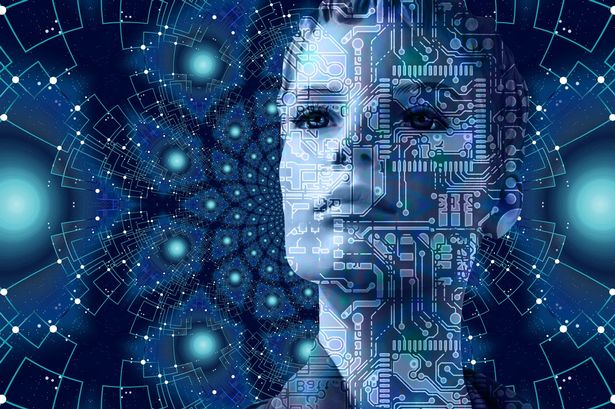
Exploring the Top 5 Innovations Transforming Our Daily Lives
In today's fast-paced world, innovations are continuously reshaping our daily lives, introducing new technologies that enhance convenience, efficiency, and connectivity. Among the most significant breakthroughs are smart home devices, which have transformed ordinary houses into intelligent living spaces. From voice-activated assistants like Amazon's Alexa to automated lighting systems, these innovations enable users to control their environment seamlessly. With the integration of the Internet of Things (IoT), tasks such as adjusting home temperatures or monitoring security can now be accomplished with a simple command, making life more manageable than ever.
Another remarkable innovation is the rise of telehealth services, especially highlighted during the recent global health crisis. Telehealth has made healthcare more accessible by allowing patients to consult with healthcare providers from the comfort of their homes. This shift not only saves time but also reduces the burden on physical healthcare facilities, making it simpler for those in remote areas to receive medical attention. Furthermore, advancements in wearable technology, such as fitness trackers and smartwatches, empower users to monitor their health metrics in real-time, cultivating a proactive approach to personal health management.
Counter-Strike is a highly popular tactical shooter video game series that has captivated both casual and competitive gamers since its inception. The gameplay typically revolves around two teams, terrorists and counter-terrorists, with each team having specific objectives to complete. Players often rely on teamwork, strategy, and skill to outmaneuver their opponents. If you're also interested in gaming accessories, check out the Top 10 airtag accessories for enhancing your setup!
How Emerging Technologies are Shaping the Future of Work
The future of work is being significantly transformed by emerging technologies, reshaping how businesses operate and how employees engage with their roles. Innovations like artificial intelligence (AI), automation, and remote collaboration tools are enhancing productivity and creating avenues for greater adaptability in the workplace. For instance, AI-powered applications can analyze data efficiently, enabling companies to make informed decisions faster than ever before. Furthermore, automation is taking over repetitive tasks, allowing employees to focus on more strategic and creative aspects of their jobs.
Moreover, as emerging technologies continue to evolve, we are witnessing a shift in workforce dynamics. The rise of remote work facilitated by cloud computing and communication platforms, such as Zoom and Slack, is changing traditional office environments. Companies are increasingly adopting hybrid work models, where employees can balance in-office and remote work seamlessly. This shift not only enhances employee satisfaction but also broadens the talent pool for organizations, enabling them to hire skilled professionals from around the globe.
Is AI the Key to Sustainable Development?
As we face the growing challenges posed by climate change, resource depletion, and socioeconomic disparity, the question arises: Is AI the key to sustainable development? Artificial Intelligence (AI) offers transformative solutions that can enhance our ability to manage resources efficiently and promote environmental sustainability. For instance, AI-driven analytics can optimize energy consumption in industries, reducing greenhouse gas emissions and supporting the shift towards renewable energy sources. Furthermore, by utilizing AI in agriculture, we can enhance crop yields while minimizing pesticide use, ultimately contributing to food security and environmental health.
Moreover, AI's role in sustainable development extends to its potential for improving urban planning and transportation systems. Smart cities leveraging AI can analyze traffic patterns to reduce congestion and emissions, making urban areas more livable. Additionally, AI can aid in waste management by predicting waste generation and optimizing recycling processes. These technological advancements not only drive economic growth but also foster a more sustainable and equitable society, proving that integrating AI into our development strategies is not just beneficial but essential for a sustainable future.