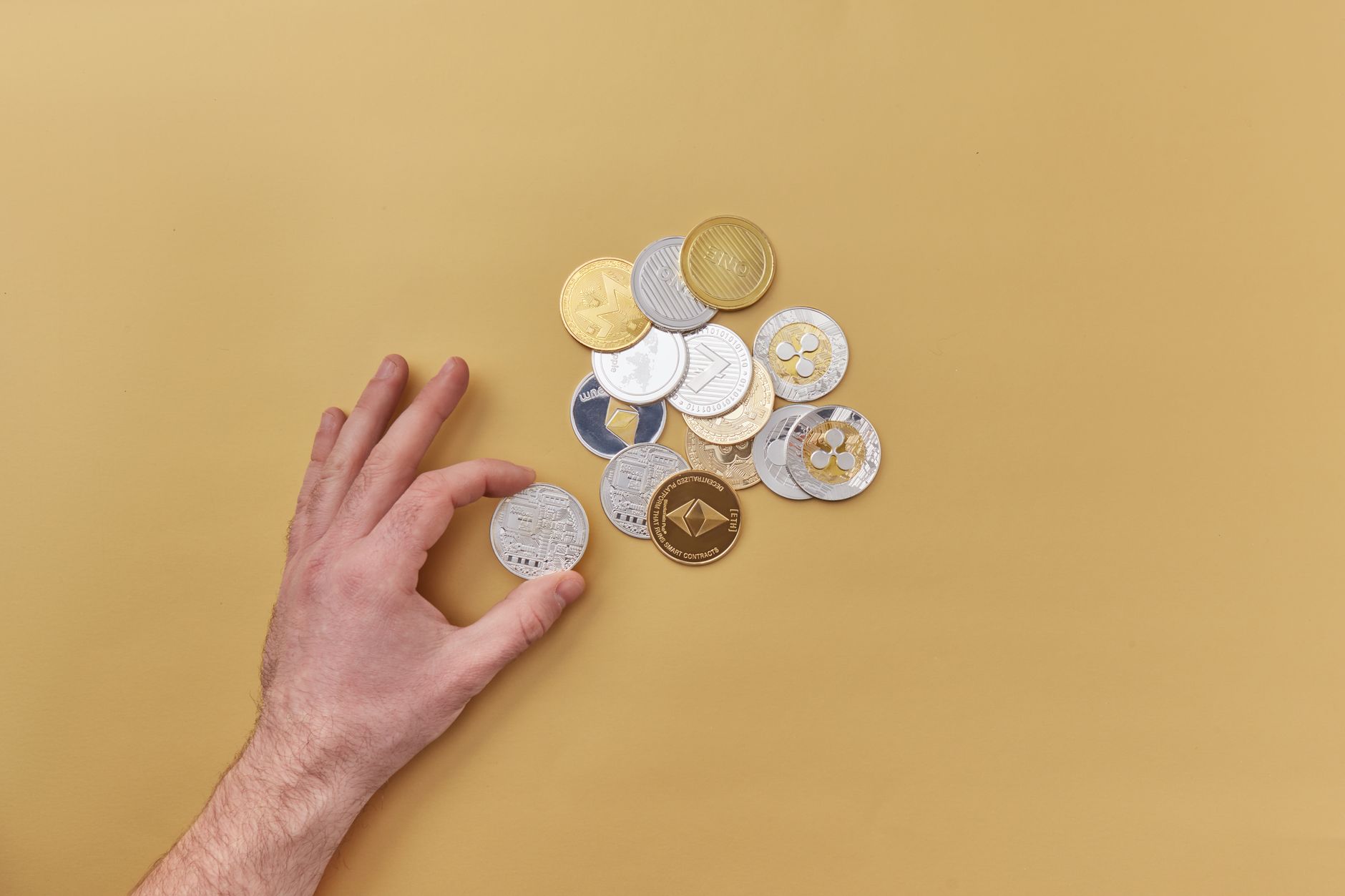
From Fiat to Fan Tokens: Your First Steps in Funding World Cup Bets with Crypto (What's a 'Wallet'? How do I buy? Where do I store it?)
Gone are the days of fumbling for physical cash or even relying solely on traditional credit cards when placing your World Cup bets. The advent of cryptocurrency has opened up a whole new world of possibilities, offering enhanced privacy, faster transactions, and often lower fees. To embark on this journey, your first crucial step is understanding what a 'crypto wallet' actually is. Think of it not as a physical wallet, but rather a secure digital repository for your cryptocurrency. It doesn't actually 'store' the coins themselves, but rather holds the private keys that prove your ownership and allow you to access and manage your crypto. These wallets come in various forms, including desktop applications, mobile apps, or even hardware devices, each offering different levels of security and convenience. Choosing the right wallet is paramount for safeguarding your digital assets.
Once you've grasped the concept of a crypto wallet, the next logical question is, "How do I actually acquire cryptocurrency?" The process is surprisingly straightforward, thanks to numerous reputable cryptocurrency exchanges. These platforms act as digital marketplaces where you can exchange traditional fiat currency (like USD, EUR, or, indeed, the Italian Lira's successor, the Euro, which replaced the Fiat-era currency) for various cryptocurrencies, such as Bitcoin (BTC) or Ethereum (ETH). Common methods for purchasing include bank transfers, debit/credit cards, and sometimes even peer-to-peer transactions. After your purchase, the cryptocurrency will be deposited directly into your chosen wallet. It's crucial to select a reputable exchange with strong security measures and a good track record to ensure a safe and smooth transaction. Remember, your wallet is where your crypto 'lives' digitally, ready for you to use for those exciting World Cup bets!
As the FIFA World Cup approaches, the world of crypto is abuzz with new opportunities for fans to engage with the tournament. This year, the intersection of cryptocurrency and sports betting offers a unique way for enthusiasts to place their wagers, with a growing number of platforms facilitating crypto world cup betting. From Bitcoin to Ethereum and beyond, individuals can use various digital assets to back their favorite teams, adding an extra layer of excitement and technological innovation to the beautiful game.
Placing Your Wagers: Practical Tips & Common Questions for Crypto-Funded World Cup Bets (Which platforms accept crypto? What about gas fees? Is this taxable?)
Navigating the landscape of crypto-funded World Cup bets requires understanding which platforms accept digital currencies. While traditional bookmakers are slowly catching up, dedicated crypto sportsbooks have been leading the charge for years. Look for reputable platforms that explicitly advertise crypto deposits and withdrawals, often supporting a wide range of popular cryptocurrencies like Bitcoin (BTC), Ethereum (ETH), Litecoin (LTC), and sometimes even stablecoins like USDT. It's crucial to verify the platform's licensing and read user reviews to ensure reliability and security. Some platforms might even offer exclusive bonuses for crypto deposits, making your initial wager go further. Always check their terms and conditions regarding deposit minimums, withdrawal limits, and any specific KYC (Know Your Customer) requirements that might apply even when using decentralized currencies. The convenience of direct crypto transactions often outweighs the slight learning curve for newcomers.
Beyond simply finding a platform, practical considerations like gas fees and tax implications are paramount. Gas fees, particularly on networks like Ethereum, can fluctuate significantly depending on network congestion. While smaller bets might incur negligible fees, larger or more frequent transactions could see these costs add up. Be mindful of the network you're using and consider platforms that support cryptocur with lower transaction fees, or those that might absorb some of these costs for users. Regarding taxation, the answer often depends on your jurisdiction. Many countries consider cryptocurrency a form of property, meaning any gains from successful bets could be subject to capital gains tax. It's always advisable to consult with a tax professional to understand your specific obligations, as ignoring these can lead to significant legal and financial repercussions. Keeping meticulous records of your crypto transactions, including deposits, bets, and withdrawals, will be invaluable for accurate tax reporting.