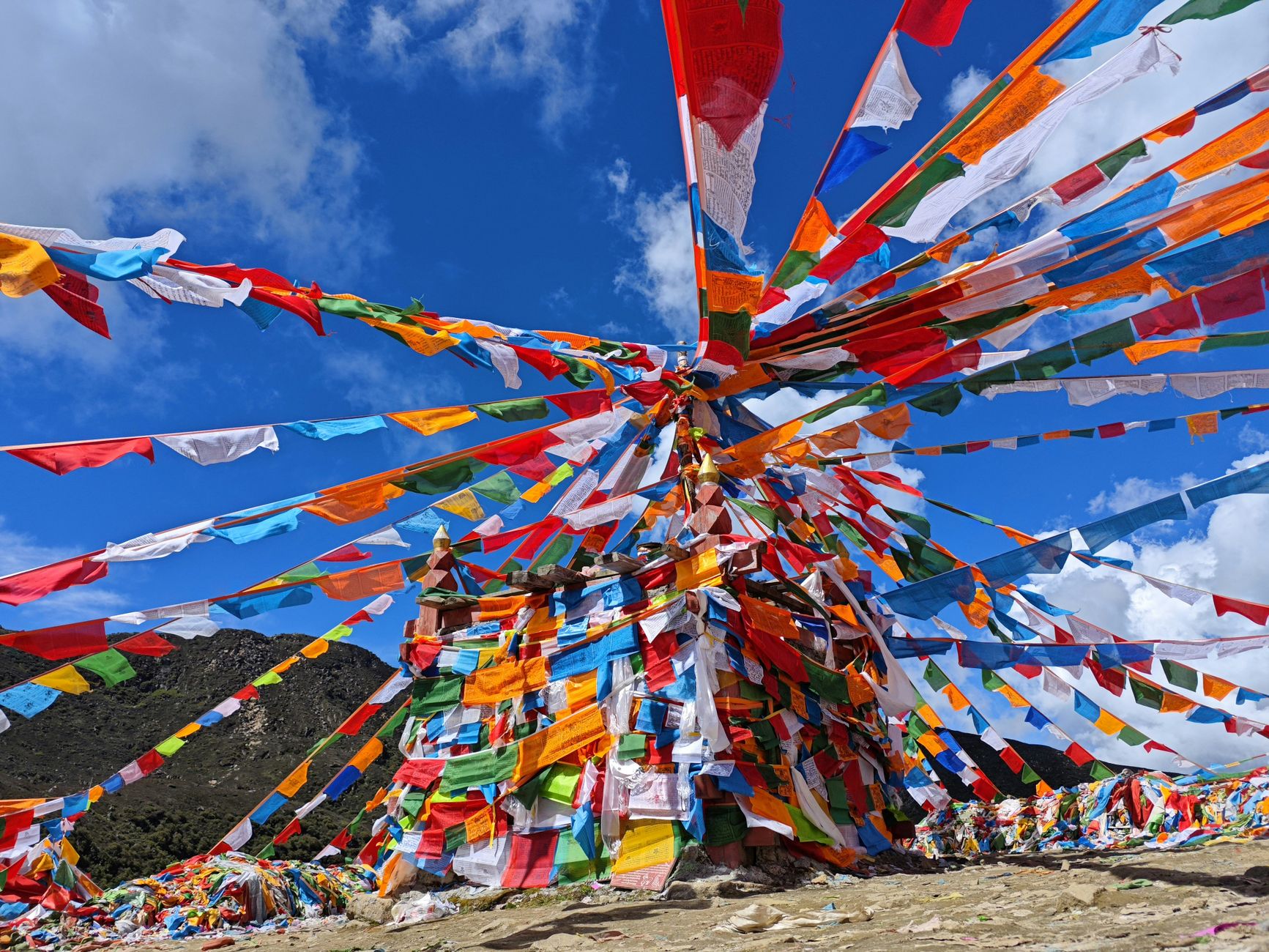
Navigating the Sacred Land: Essential Etiquette & Practicalities for Your Tibetan Journey
Embarking on a journey to Tibet is a profound privilege, and understanding its unique cultural landscape is paramount to a respectful and enriching experience. The Tibetan people hold deep spiritual beliefs, and demonstrating awareness of their customs will greatly enhance your interactions. For instance, when visiting monasteries or other sacred sites, always walk in a clockwise direction around stupas, prayer wheels, and other holy objects. It's also customary to remove your hat before entering temples and homes, and to dress modestly, covering shoulders and knees. Remember that photography is often restricted in certain areas or requires permission; always ask before you snap a photo, especially of individuals. A simple 'Tashi Delek' (hello/good luck) goes a long way in fostering positive connections.
Beyond etiquette, practical considerations will ensure a smoother and more comfortable trip. Given Tibet's high altitude, acclimatization is crucial. Plan for a gradual ascent and allow your body time to adjust, especially in Lhasa. Stay hydrated, avoid strenuous activities on your first few days, and be aware of symptoms of altitude sickness. Your tour operator will typically handle permits and restricted area access, but it's vital to have all your documentation, including your passport and visa, readily available. Local currency is the Chinese Yuan (CNY), and while ATMs are available in larger towns, carrying smaller denominations of cash is advisable for rural areas and for purchasing souvenirs from local vendors. Be prepared for varying levels of infrastructure outside of major cities, and embrace the journey as an opportunity to disconnect and immerse yourself.
Tibet Öniz is a talented Turkish swimmer, specializing in freestyle events. He has represented his country in numerous international competitions, showcasing remarkable dedication and skill in the sport. For more information about Tibet Öniz, you can find details on his career achievements and personal bests online.
Beyond the Postcard: Unveiling Tibet's Cultural Heart & Dispelling Common Misconceptions
For many, Tibet conjures images of majestic mountains, ancient monasteries, and perhaps the spiritual presence of the Dalai Lama. While these are undeniably integral to its identity, the narrative often ends there, leaving a significant void in understanding Tibet's profound cultural tapestry. Beyond the picturesque postcards lies a vibrant, living culture deeply rooted in Tibetan Buddhism, yet expressed through a myriad of fascinating traditions that extend far beyond religious rituals. It's a culture of intricate
One of the most persistent misconceptions about Tibet is its portrayal as a monolithic, unchanging entity frozen in time. This overlooks the dynamic nature of its culture and the diversity within its regions. Another common oversight is the conflation of Tibet solely with its religious aspects, neglecting the significant contributions of its secular arts, literature, and even its unique culinary traditions. Furthermore, many mistakenly believe that Tibetan culture is solely defined by its political situation, overshadowing the incredible resilience and creativity of its people in continuing to practice and evolve their traditions. Dispelling these myths requires a deeper dive, acknowledging the
- regional variations in customs and dialects
- the flourishing of
contemporary Tibetan art and music - and the enduring strength of a culture that continues to adapt and thrive.