Understanding the Fundamentals of Data Management: Turning Chaos into Clarity
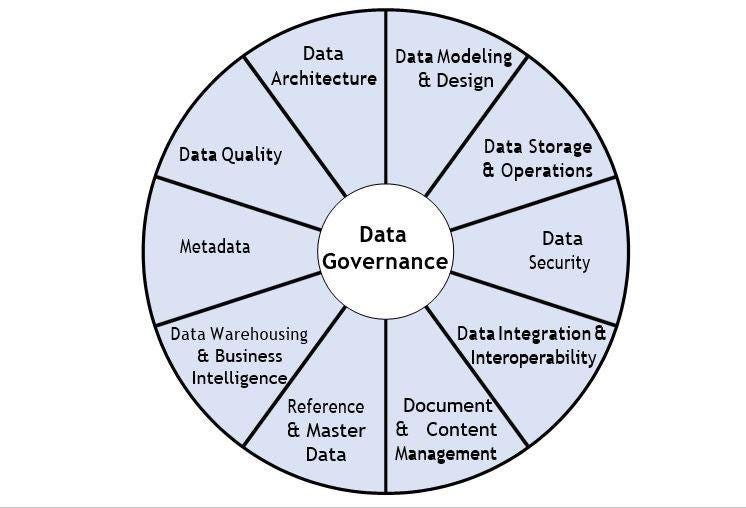
Data management is essential for organizations seeking to streamline their operations and make informed decisions. In a world flooded with information, understanding the fundamentals of data management can mean the difference between chaos and clarity. By establishing a solid framework for collecting, organizing, and analyzing data, businesses can unlock valuable insights that lead to improved performance and productivity. Key components of effective data management include data governance, data quality, data integration, and data security, which together help maintain the integrity and usability of data in an organization.
To successfully implement data management strategies, organizations must first assess their current data landscape and identify areas for improvement. This involves creating a data management plan that outlines the processes and tools needed to ensure data accuracy and accessibility. Additionally, fostering a culture of data literacy among employees is crucial; by equipping teams with the skills to interpret and leverage data, businesses can turn raw numbers into actionable insights. Ultimately, mastering the fundamentals of data management not only enhances operational efficiency but also drives innovation and growth in a competitive marketplace.
5 Common Data Management Challenges and How to Overcome Them
Data management is a critical aspect of any organization's strategy, yet it often comes with several challenges. One of the most common issues is data duplication, where multiple copies of the same data exist across various platforms. This not only leads to inconsistencies but also hampers decision-making processes. Organizations can overcome this challenge by implementing strong data governance policies and using data integration tools that help unify information sources.
Another notable challenge is data security. As businesses increasingly rely on digital data, the risks of data breaches and unauthorized access grow. To counteract this, organizations should adopt robust cybersecurity measures, such as encryption and regular security audits, to protect sensitive information. Educating employees on best practices for handling data can also significantly reduce the risk of security threats.
Is Your Data Strategy Driving Clarity or Confusion?
In today's data-driven world, having a clear data strategy is more crucial than ever. Many organizations struggle with the overwhelming amount of information they collect, leading to confusion rather than clarity. To ensure that your data strategy is effective, it should not only align with your business goals but also provide actionable insights. When done right, a well-structured data strategy can transform raw data into valuable information that drives decision-making and fosters innovation.
To assess whether your data strategy is driving clarity or confusion, consider the following factors:
- Data Quality: Are the data sets you use accurate and reliable?
- Clear Objectives: Do you have defined goals for your data usage?
- Stakeholder Involvement: Are key stakeholders actively engaged in the data strategy process?